
.webp)
Summary: Nerve damage often starts with small, easy-to-ignore signs like tingling, numbness, or burning pain that worsens at night. A neurologist can catch these early, before the damage becomes permanent. Knowing the warning signs and risk factors helps you decide when it's time to book an appointment with a specialist.
Key Takeaways
- Nerve damage is common and frequently overlooked. Neuropathy affects just under 1 in 10 people over 55 years in the UK, and around two-thirds of people with diabetes develop some form of nerve damage as the disease progresses.
- Early signs are subtle but they matter. Persistent tingling, numbness, burning or stabbing pain (often worse at night), weak grip, balance problems, or a non-healing foot sore all point to a possible nerve condition. Caught early, the damage can often be prevented or slowed; left alone, it can become permanent.
- Some symptoms are emergencies. One-sided facial, arm, or leg weakness, a drooping face, slurred speech, or sudden trouble walking or loss of sight can signal a stroke and need immediate hospital care.
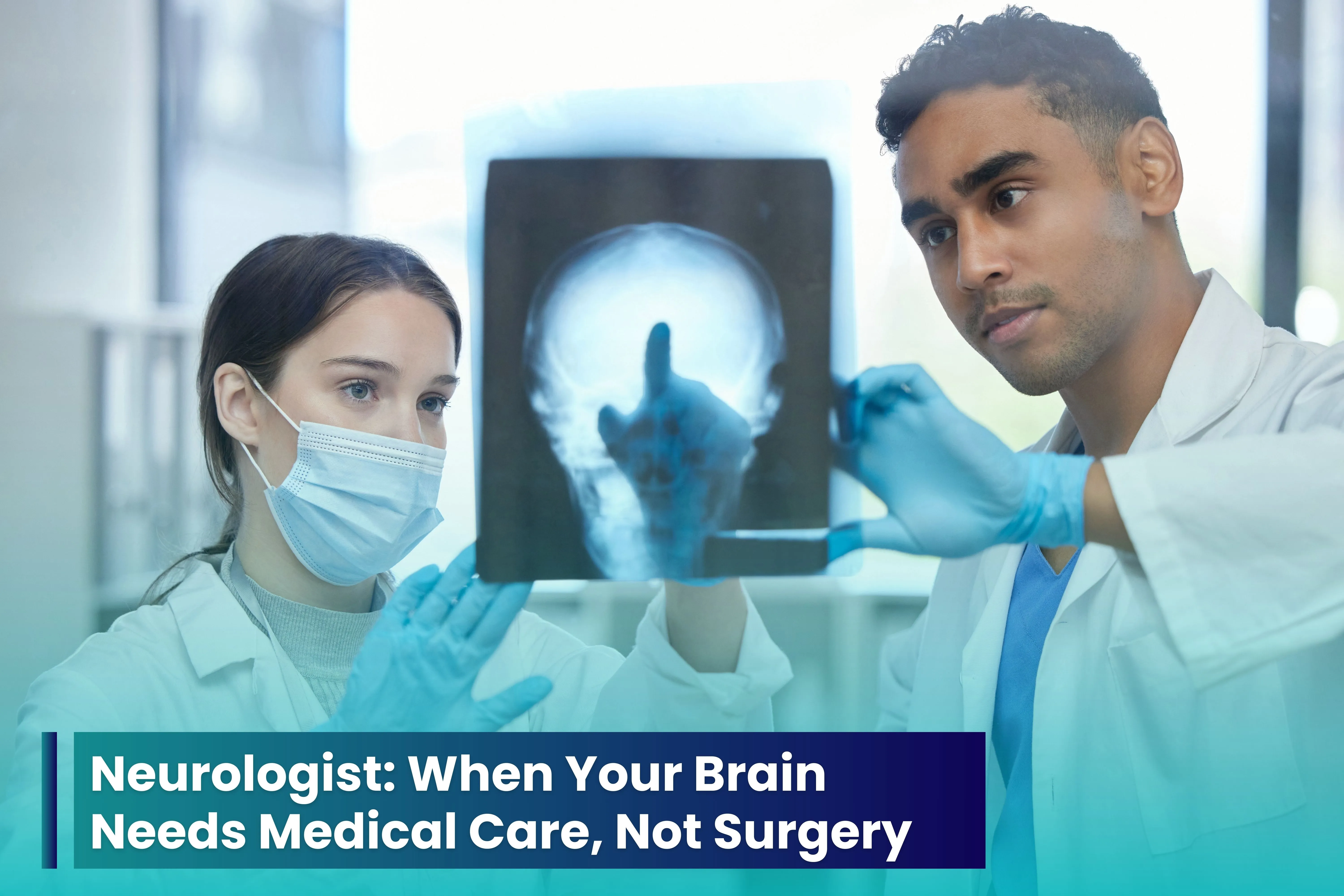
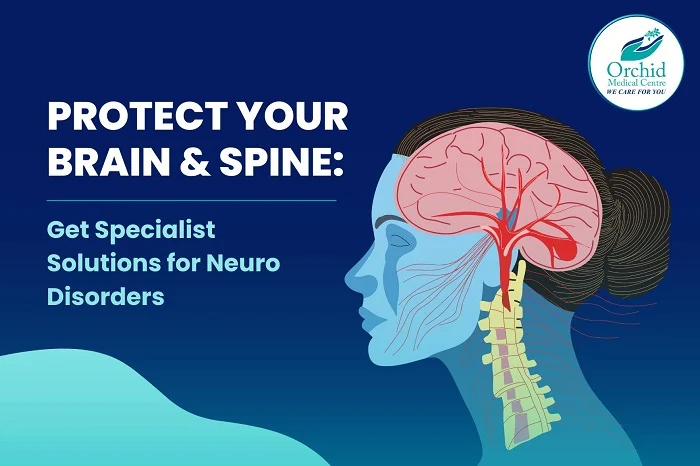
Every inch of your body has nerves. They are the conduits for signals that tell you that there is a hot stove, the hand to move, and even beat your heart with no thought at all. The body warns us when those signals are knocked off track. The problem is that many people simply do not pay attention to them for months. A neurologist is the one who finds out that something in this signaling network is wrong. Instead of making you just wait and hope to get over it, a specialist doctor in nerves can read the early signs.
.webp)
.webp)


.jpeg)

.jpg)
.webp)
.webp)


.webp)
.webp)










.webp)
.webp)
.jpg)
.webp)
.webp)
.webp)
.jpg)
.jpg)
.jpg)
.webp)
.webp)
.jpg)
.jpg)
.webp)
.webp)