


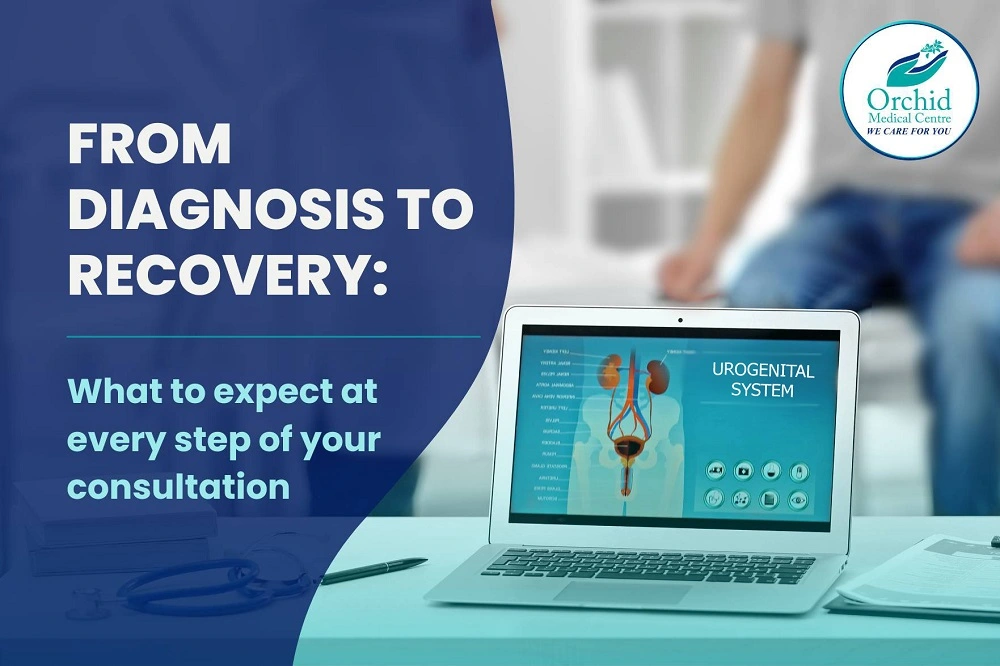
When health concerns arise, choosing the right physician in the city of Ranchi and consultation approach directly impacts your diagnostic outcomes. Hospital-based physicians offer comprehensive evaluation methods that community clinics simply cannot match, ensuring accurate identification of underlying conditions.
Consulting a physician in Ranchi through established hospital networks provides access to integrated diagnostic systems and specialist expertise. This collaborative environment enables thorough medical assessments that lead to precise treatment recommendations and improved patient outcomes.
Comprehensive Diagnostic Infrastructure
Advanced Laboratory Services: Hospital-based physicians have immediate access to extensive laboratory testing capabilities, including biochemistry panels, microbiology cultures, and specialised genetic testing. These facilities operate round-the-clock, ensuring rapid results that inform critical diagnostic decisions without unnecessary delays.
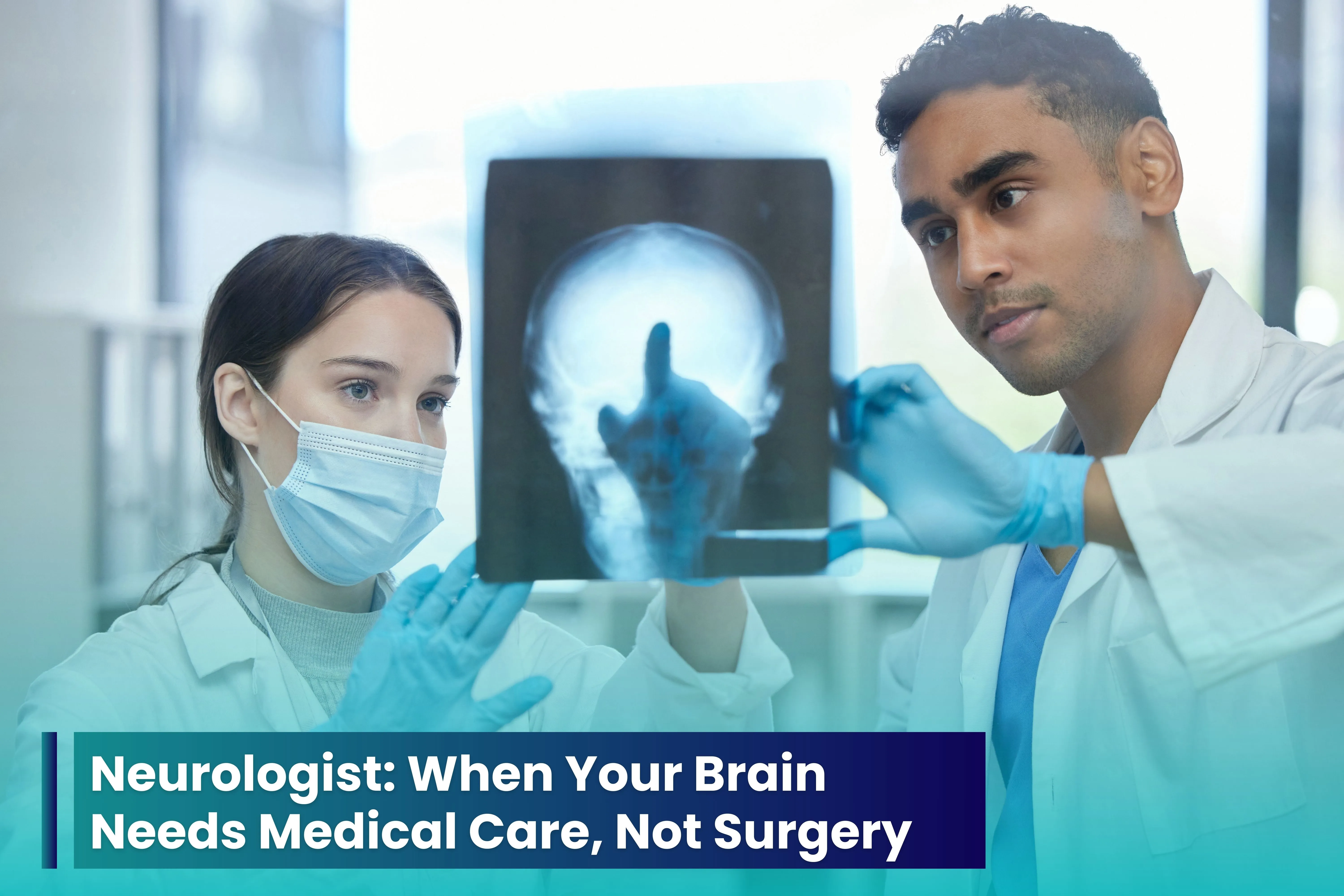
State-of-the-Art Imaging Technology: Modern hospitals house sophisticated imaging equipment such as MRI scanners, CT machines, and digital X-ray systems. Physicians can order multiple imaging studies during single visits, creating comprehensive diagnostic pictures that reveal conditions missed by basic examinations.
Point-of-Care Testing Capabilities: Many hospital departments feature bedside diagnostic tools that provide instant results for cardiac markers, blood glucose levels, and infection indicators. This immediate feedback allows physicians to adjust treatment plans dynamically based on real-time patient data.
Multidisciplinary Team Collaboration
Specialist Consultation Networks: Hospital environments foster natural collaboration between various medical specialities, enabling complex case discussions and second opinions. Cardiologists, neurologists, and other experts contribute unique perspectives that enhance diagnostic accuracy across diverse medical conditions.
Coordinated Care Approaches: Medical teams within hospitals communicate seamlessly through shared electronic health records and regular case conferences. This coordination prevents duplicate testing, reduces diagnostic errors, and ensures comprehensive evaluation of patient symptoms from multiple clinical perspectives.
Nursing Expertise Integration: Experienced hospital nurses provide continuous patient monitoring and detailed clinical observations that supplement physician assessments. Their round-the-clock presence captures symptom patterns and treatment responses that might otherwise go unnoticed during brief clinic visits.



.jpeg)

.jpg)

.webp)
.webp)

.webp)
.webp)






.webp)
.webp)
.jpg)
.webp)
.webp)
.webp)
.jpg)
.jpg)
.jpg)
.webp)
.webp)
.webp)
.jpg)
.jpg)
.webp)
.webp)