


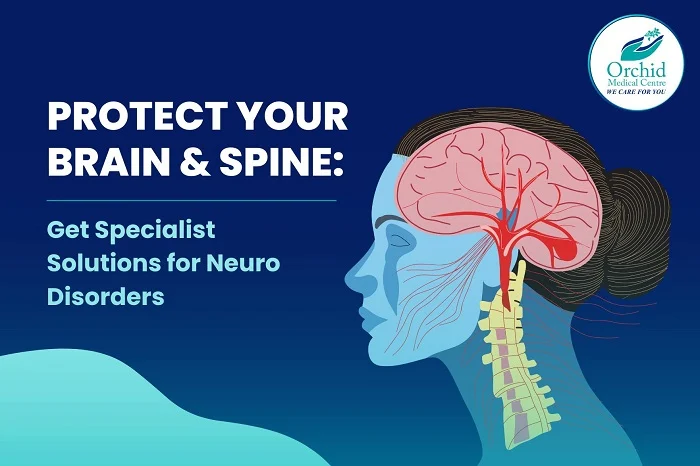
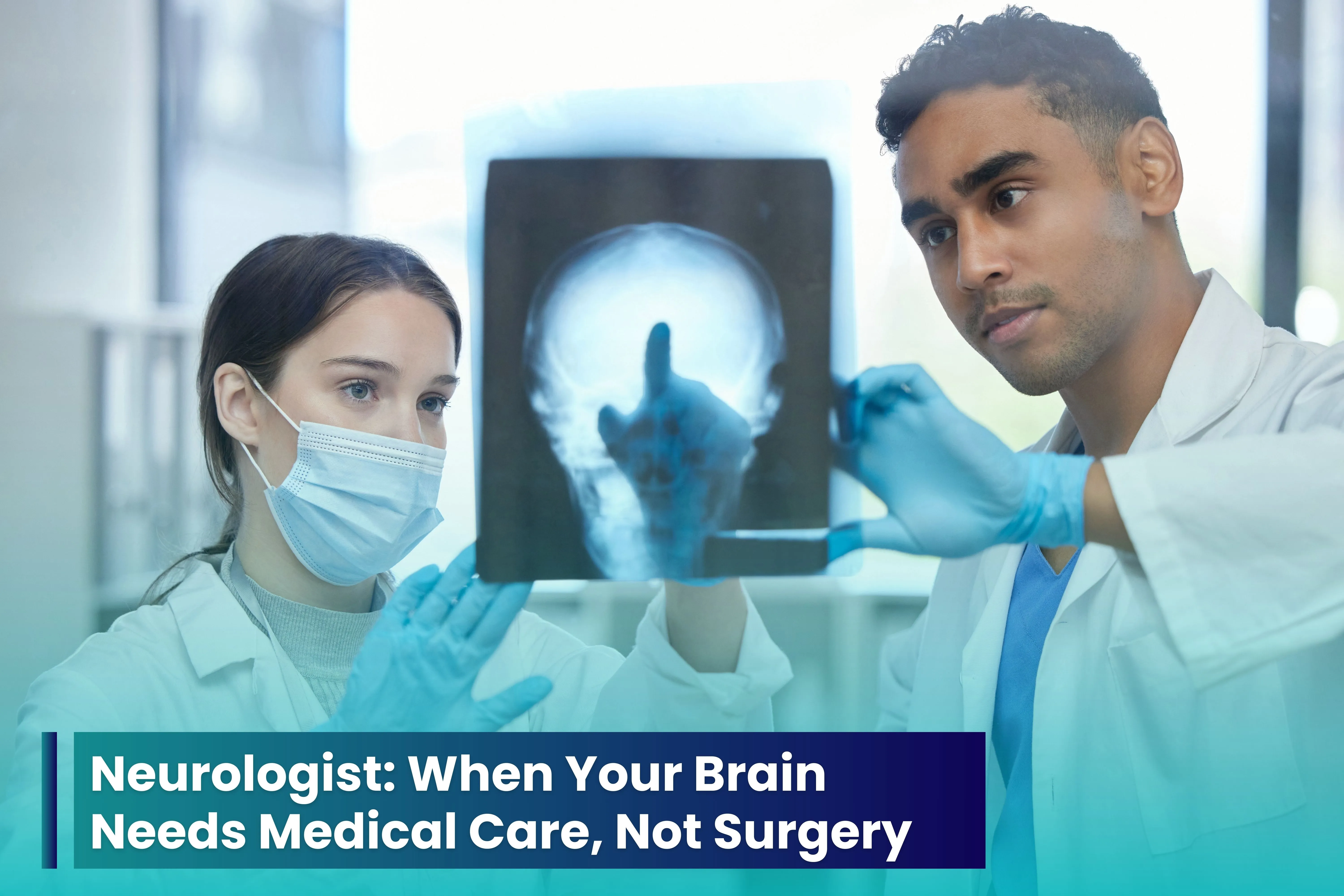
Brain and spine conditions can be frightening, often leaving patients and families feeling overwhelmed about where to turn for availing specialised care. Neurological disorders require precise diagnosis and expert surgical intervention to prevent long-term complications. Finding the right neuro surgeon in Ranchi becomes essential when dealing with complex conditions.
The expertise of a skilled neuro surgeon in Ranchi can make a significant difference in treatment outcomes for patients facing serious neurological challenges. From brain tumours to spinal injuries, these specialists handle conditions that demand advanced surgical skills and comprehensive patient care. Understanding which conditions neurosurgeons treat helps patients recognise when to seek care.
Brain Tumours and Cranial Conditions
Primary Brain Tumours Requiring Surgical Intervention: Brain tumours represent one of the most serious conditions requiring neurosurgical expertise, with symptoms often developing gradually before becoming severe. Patients may experience persistent headaches, vision changes, seizures, or personality alterations that worsen over time. Early detection and surgical removal can prevent tumour growth from causing irreversible brain damage.
Meningiomas and Benign Growth Management: Meningiomas develop in the protective membranes surrounding the brain and spinal cord, often growing slowly without causing immediate symptoms. These benign tumours can become problematic when they press against brain tissue, causing neurological deficits or seizures. Surgical removal remains the primary treatment approach, with success rates depending on tumour location.
Spinal Disorders and Degenerative Conditions
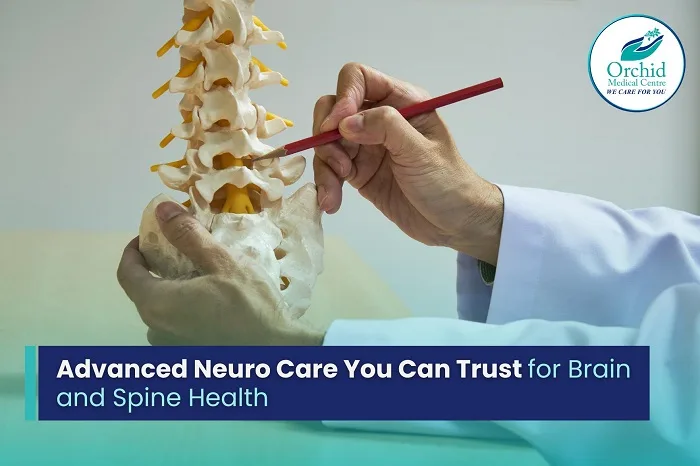
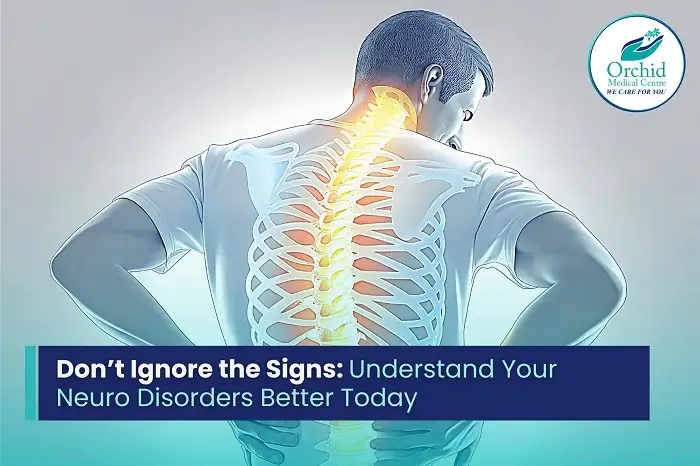
Herniated Discs Causing Nerve Compression: Herniated discs occur when the soft inner material of spinal discs pushes through the outer layer, pressing on nearby nerves. This compression leads to radiating pain, numbness, tingling sensations, and weakness in the arms or legs. Conservative treatments may fail, making surgical decompression necessary to relieve pressure and restore function.
Spinal Stenosis and Canal Narrowing: Spinal stenosis involves the narrowing of spaces within the spine, putting pressure on the spinal cord and nerve roots. Patients often experience worsening back pain, leg cramping, and difficulty walking as the condition progresses over time. Decompressive laminectomy surgery creates more space for nerves, significantly improving mobility and reducing pain.


.jpeg)

.jpg)

.webp)
.webp)

.webp)
.webp)









.webp)
.webp)
.jpg)
.webp)
.webp)
.webp)
.jpg)
.jpg)
.jpg)
.webp)
.webp)
.webp)
.jpg)
.jpg)
.webp)
.webp)