

.jpg)
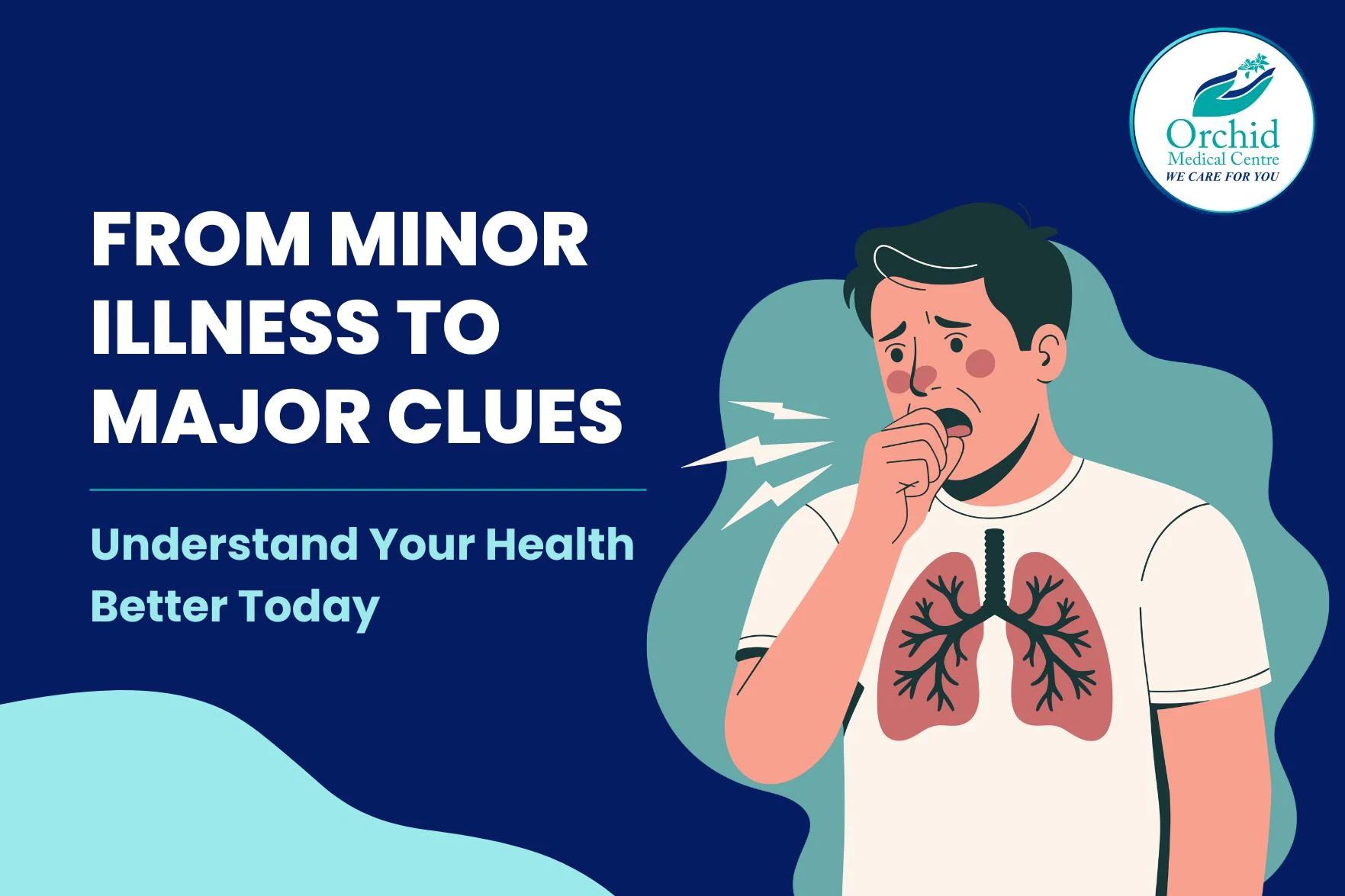
Summary: This post explains how to tell the difference between minor symptoms that can wait for treatment and serious ones that need immediate medical attention. It covers the warning signs of heart attacks, strokes, breathing problems, and severe allergic reactions, along with what to do before reaching the hospital.
Key Takeaways
- Sudden, severe, and frightening symptoms point to a real emergency, while everyday issues like fever or sprains usually do not need urgent care.
- Heart attacks often start with mild chest discomfort, and women may feel fatigue or indigestion-like symptoms instead of classic chest pain.
- The FAST method helps spot a stroke early through face drooping, arm weakness, slurred speech, and acting quickly on time.
- Trouble breathing or signs of anaphylaxis after food or insect bites need urgent help, and calling an ambulance is safer than driving yourself.
.jpg)
.jpg)


.jpeg)

.jpg)
.webp)
.webp)
.webp)
.webp)


.webp)
.webp)
.jpg)
.webp)
.webp)
.webp)
.jpg)
.jpg)
.webp)
.webp)
.webp)
.jpg)
.jpg)
.webp)
.webp)